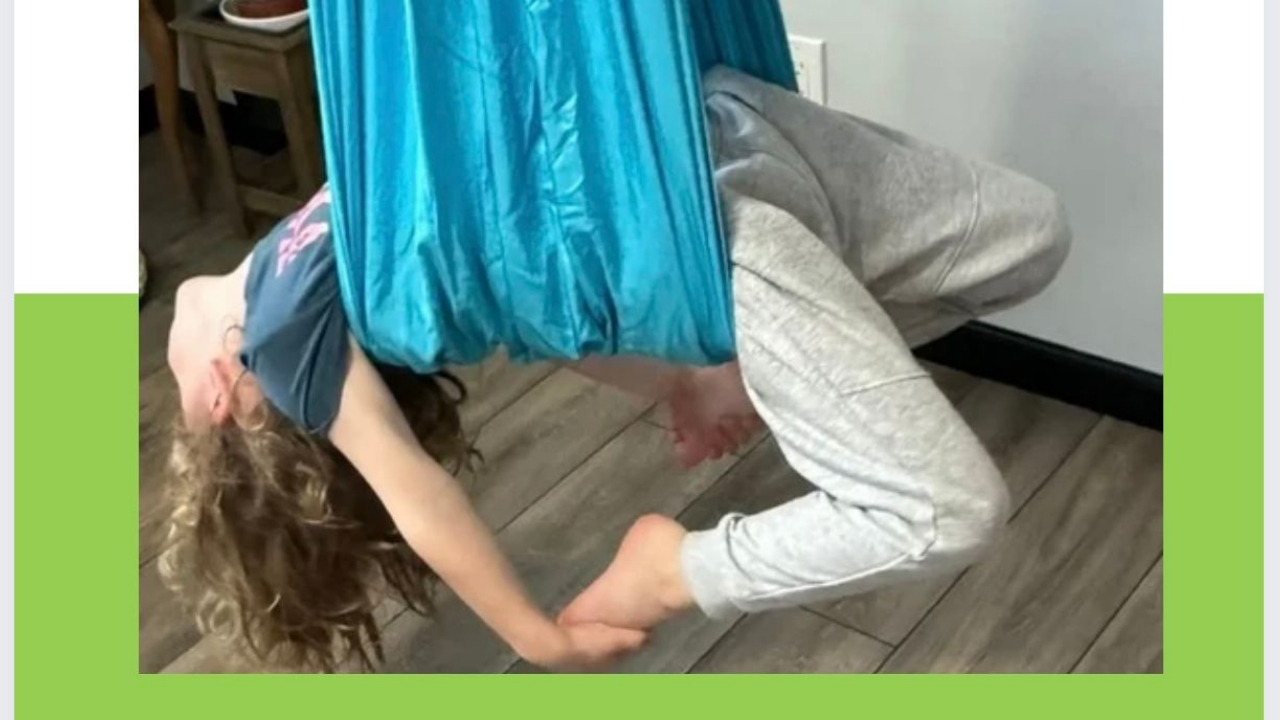
Adults Go First: The Power of Co-Regulation
Aug 26, 2026Adults Go First: The Power of Co-Regulation
We often expect children to calm down, make good choices, use their words, follow directions, and manage big emotions.
But regulation does not begin with the child.
It begins with the adults around them.
Children are constantly reading the nervous systems of the people in their environment. Long before they can explain what they are feeling, their bodies are noticing tone of voice, facial expressions, pace, posture, movement, and whether the adults around them feel safe and steady.
This is the foundation of co-regulation.
What Is Co-Regulation?
Co-regulation is the process of one nervous system helping another nervous system find greater safety and stability.
For young children especially, self-regulation develops through repeated experiences of being regulated with someone.
A child who is overwhelmed may not yet have access to the skills we are asking for.
“Take a deep breath.”
“Use your words.”
“Make a better choice.”
“Calm your body.”
Those strategies may be helpful, but only when the child’s nervous system is able to receive them.
When a child is in a fight, flight, freeze, or shutdown response, reasoning and language can become much harder to access.
This is why connection comes before correction.
Adults Go First
When a child’s behavior escalates, our own nervous system often responds.
We may notice:
- our voice becoming louder
- our breathing becoming shallow
- our shoulders tightening
- frustration rising
- the urge to control the situation quickly
The child’s dysregulation can activate the adult, and the adult’s activation can then increase the child’s distress.
This can become a nervous-system loop.
Changing that loop starts with awareness.
Before asking:
“How do I get this child to calm down?”
Try asking:
“What is happening in my own nervous system right now?”
That small shift can change the entire interaction.
Regulation Is Felt Before It Is Taught
Children do not learn regulation only because we teach them breathing exercises or calming strategies.
They also learn it through experiencing us.
They experience what it feels like when an adult:
slows down,
softens their voice,
creates space,
moves with intention,
breathes steadily,
and remains connected even when behavior becomes challenging.
Over time, those repeated experiences help build the child’s own capacity for regulation.
We are not simply telling children what regulation looks like.
We are showing their nervous systems what regulation feels like.
Co-Regulation Does Not Mean Being Calm All the Time
Being a regulated adult does not mean never becoming frustrated, stressed, or overwhelmed.
Adults have nervous systems too.
Teachers, parents, caregivers, and professionals are navigating deadlines, responsibilities, sensory overload, fatigue, and their own life experiences.
The goal is not perfection.
The goal is awareness and repair.
Can I notice when I am becoming activated?
Can I pause before reacting?
Can I reconnect with my body?
Can I soften my response?
Can I repair the relationship when I get it wrong?
Those moments matter.
Start With the Body
At Move Into Calm, we emphasize that regulation begins in the body.
Before trying to think our way into calm, we can give the nervous system physical information that supports safety.
For adults, that might look like:
- pressing both feet firmly into the floor
- taking a slower exhale
- dropping the shoulders
- pushing the hands gently into a wall or desk
- noticing three sensations in the body
- slowing down before speaking
- taking a few intentional steps
These are small actions, but they can help interrupt an automatic stress response.
And when the adult shifts, the environment often begins to shift too.
What This Looks Like in the Classroom
Imagine a child who is yelling, moving quickly, refusing a direction, or struggling with a transition.
The traditional response may be:
“Sit down. Stop. You need to calm down.”
A nervous-system-informed response begins differently.
The adult first notices their own body.
Feet grounded.
Breath slowed.
Voice softened.
Then the adult approaches with curiosity rather than urgency.
“I can see this is hard right now.”
“Let’s slow it down together.”
“Your body looks like it needs some movement.”
“I’m right here.”
This does not mean removing expectations or boundaries.
It means creating enough safety and regulation for the child to access them.
We Cannot Demand a Skill the Nervous System Cannot Access
Sometimes what appears to be defiance, impulsivity, inattention, or refusal is actually a nervous system struggling to organize itself.
Behavior still matters.
Boundaries still matter.
Expectations still matter.
But biology comes before behavior.
When we understand what is happening underneath the behavior, we can respond more effectively instead of simply reacting to what we see on the surface.
The Regulated Classroom Begins With the Regulated Adult
If we want children to become more aware of their bodies, we need adults who notice their own.
If we want children to pause before reacting, adults need opportunities to practice the same skill.
If we want children to feel safe enough to learn, connect, and take risks, the adults around them become part of that environment of safety.
That is why adults go first.
Not because adults need to be perfect.
Because our nervous systems are part of the intervention.
At Move Into Calm, we help educators, parents, and organizations understand regulation through the body using movement, breath, nervous system awareness, connection, and co-regulation.
When we support the adults, we create greater capacity to support the children.
And when children feel safer in their bodies, they have greater access to the skills we have been asking from them all along:
attention, connection, communication, flexibility, and learning.
Regulation begins in the body. Connection comes before correction. And adults go first.
Unlock Peace and Connection: With an interactive eBook,
Move into Calm 5 Minute tools to Help your Child and You Reset
Stay connected with news and updates!
Join our mailing list to receive the latest news and updates from our team.
Don't worry, your information will not be shared.
We hate SPAM. We will never sell your information, for any reason.