Blog 0 : It’s Time We Started Seeing Behavior Differently
Jul 16, 2026
Blog 0: It’s Time We Started Seeing Behavior Differently
There was a time when I believed, like many educators and parents, that behavior was something we needed to manage.
If a child wasn’t listening, we searched for better strategies.
If they couldn’t sit still, we looked for ways to increase compliance.
If emotions became overwhelming, we focused on helping them “calm down.”
Over more than 40 years of working with children, families, educators, and adults, I’ve come to understand something that changed the way I see every interaction.
Behavior is often the visible expression of an invisible nervous system state.
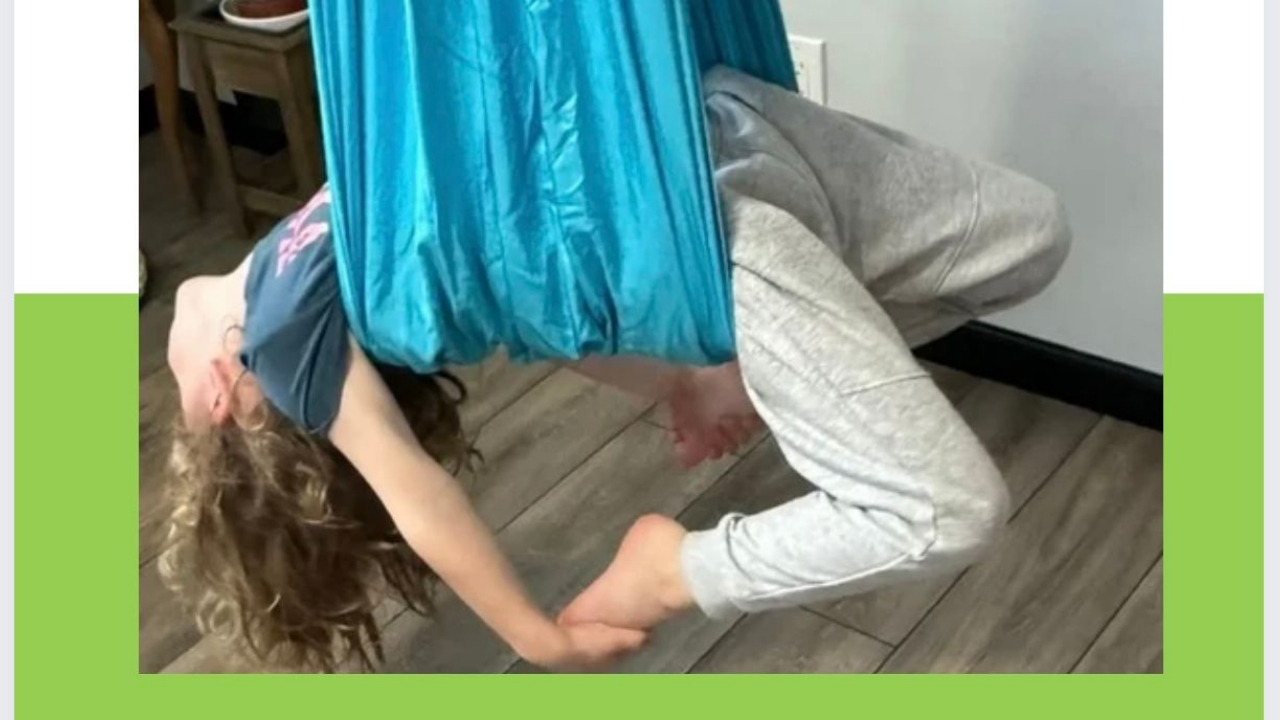
The child who can’t sit still may not be choosing movement—they may be seeking it because their nervous system needs it.
The child who melts down during transitions may not be refusing to cooperate—they may be overwhelmed by a body that no longer feels organized or safe.
The adult who snaps after a long day may not lack patience—they may be carrying a nervous system that has been working hard to protect them.
When we begin to understand the nervous system, we stop asking,
“What’s wrong with this person?”
Instead, we begin asking,
“What does this nervous system need right now?”
That simple shift changes everything.
It changes how we parent.
It changes how we teach.
It changes how we lead.
It changes how we care for others.
Perhaps most importantly, it changes how we care for ourselves.
For me, this shift didn’t happen overnight. It grew over decades of working with children and families, teaching future educators, studying movement, practicing Pilates, exploring yoga, learning about fascia, and completing advanced training in applied educational neuroscience and trauma-informed practice.
Although each experience offered something unique, they all pointed me back to the same truth:
The brain and the body are never separate.
Learning doesn’t happen apart from the nervous system.
Healing doesn’t happen apart from the body.
Connection doesn’t happen without a sense of safety.
This understanding became the foundation of Move Into Calm—an approach built on movement, breath, nervous system awareness, and connection to support calm from the body up.
At the heart of Move Into Calm is the C.A.L.M. Framework, a simple guide for understanding how regulation develops.
C – Connect
Connection is where regulation begins. Before we can learn, heal, or grow, we need to feel safe—in our bodies, in our relationships, and in our environments.
A – Awaken
Awareness is the first step toward change. Through breath, movement, and sensory experiences, we begin noticing what our body is communicating instead of ignoring or fighting against it.
L – Learn
When we understand how the nervous system influences behavior, emotions, attention, and learning, we respond with greater compassion and intention rather than frustration.
M – Move
Movement is one of the body’s most powerful tools for regulation. Intentional movement helps organize the nervous system, build resilience, and create the conditions for calm, connection, and learning.
These four principles are woven throughout everything I teach because calm isn’t something we force.
It’s something we cultivate.
At the heart of my work is one simple belief:
Biology comes before behavior.
When we understand the body’s role in learning, emotions, and relationships, we stop trying to control behavior and begin creating the conditions where regulation, resilience, and connection can naturally emerge.
Over the next ten weeks, I’d like to invite you into that conversation.
Together we’ll explore:
- Why regulation begins in the body—not in behavior.
- How movement changes the brain.
- The hidden sensory systems that shape attention, learning, and emotional regulation.
- The powerful role of breath.
- Why co-regulation comes before self-regulation.
- How adults create the conditions for children to thrive.
- Simple, practical ways to support nervous system health in everyday life.
Whether you’re a parent, educator, therapist, healthcare professional, or someone simply wanting to better understand yourself, I hope this series offers both science and compassion.
You don’t need to become an expert in neuroscience.
You simply need to begin seeing behavior through a different lens.
My hope isn’t that you’ll finish this series with more information.
My hope is that you’ll begin noticing what happens beneath the surface.
That you’ll become curious before becoming corrective.
That you’ll recognize behavior as communication.
And that you’ll discover how small, intentional shifts in movement, breath, and connection can make a profound difference.
Because when we understand the nervous system, behavior begins to make sense.
When behavior makes sense, compassion grows.
And when compassion grows, healing has room to begin.
Thank you for being here.
I’m grateful you’ve chosen to begin this journey with me.
Because calm isn’t something we demand.
It’s something we help create.
From the body up.
Unlock Peace and Connection: With an interactive eBook,
Move into Calm 5 Minute tools to Help your Child and You Reset
Stay connected with news and updates!
Join our mailing list to receive the latest news and updates from our team.
Don't worry, your information will not be shared.
We hate SPAM. We will never sell your information, for any reason.