Blog 2 Behavior is Communication But Its Also Biology
Jul 27, 2026Blog 2: Behavior Is Communication—But It’s Also Biology
We’ve heard the phrase countless times:
“Behavior is communication.”
And it’s true.
Behavior communicates needs, emotions, experiences, and unmet challenges. A child who throws a toy, refuses to get dressed, or melts down at bedtime is telling us something.
But I believe there’s an important piece missing from that conversation.
Behavior isn’t just communication. It’s biology.
Before a child can communicate with words, their body is already communicating through their nervous system.
A racing heart.
Tight muscles.
Shallow breathing.
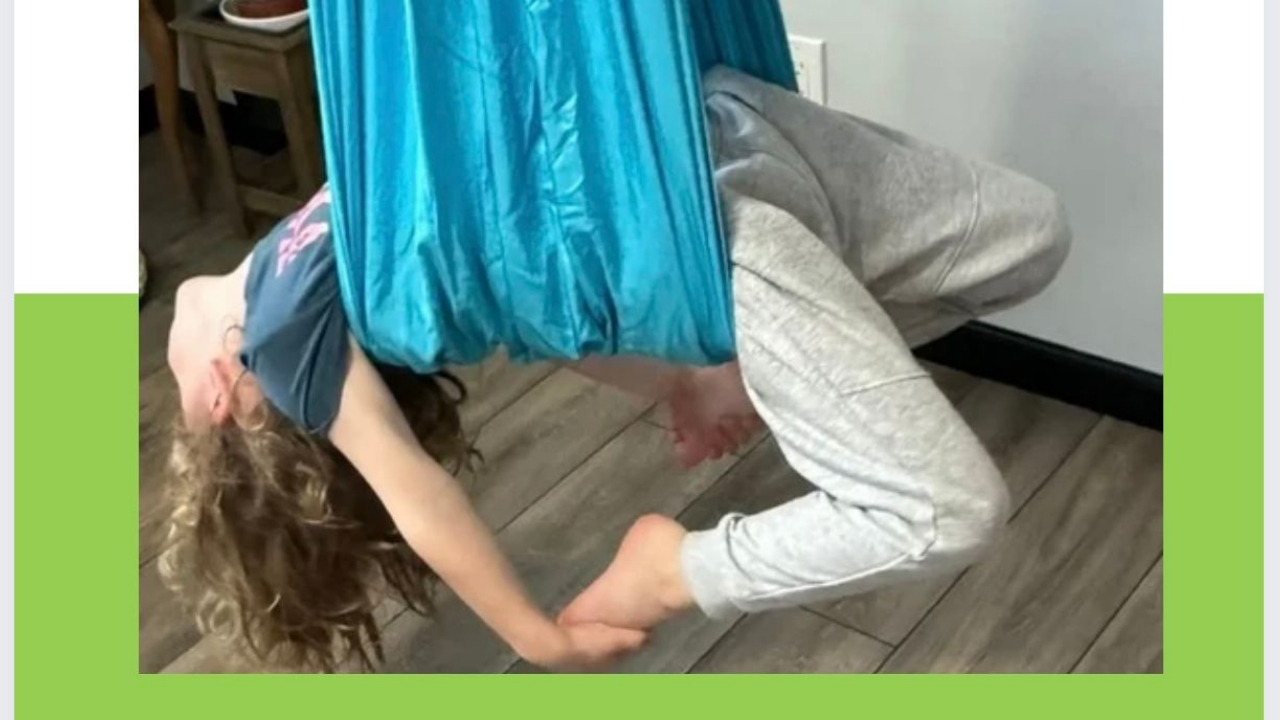
A need to move.
A frozen stare.
An inability to think clearly.
These aren’t simply behaviors to correct. They’re signals from a nervous system trying to keep the body safe.
When we understand this, everything changes.
Instead of asking:
“Why are they acting this way?”
We begin asking:
“What is their nervous system experiencing right now?”
That shift moves us away from judgment and toward curiosity.
The Body Responds Before the Brain Explains
Many of us assume behavior starts with a choice.
Neuroscience tells us something different.
Our nervous system is constantly scanning the environment for cues of safety and danger—a process Dr. Stephen Porges calls neuroception.
This happens automatically and often outside of conscious awareness.
If the nervous system senses safety, the brain is available for learning, problem-solving, communication, and connection.
If it senses danger—whether the danger is real or simply perceived—the body shifts into protection.
That protection might look like:
- Running away
- Fighting back
- Shutting down
- Crying
- Refusing
- Becoming overly silly
- Constant movement
- Complete withdrawal
From the outside, these behaviors can appear challenging.
From the inside, they’re often survival strategies.
The body is doing exactly what it was designed to do.
The Question Changes Everything
Imagine a child who cannot sit still during circle time.
One response is:
“They need better self-control.”
Another response is:
“Their body may be seeking movement because movement helps organize their nervous system.”
Those two perspectives lead to completely different outcomes.
One leads to correction.
The other leads to support.
This is why I often say:
Biology before behavior.
When we understand what’s happening beneath the behavior, we can respond in ways that help the nervous system feel organized enough for learning and connection to happen.
The Same Is True for Adults
Children aren’t the only ones whose nervous systems communicate through behavior.
Adults do it every day.
We rush.
We brace.
We hold our breath.
We become impatient.
We withdraw from relationships.
We snap at the people we love.
These responses don’t necessarily mean we’re impatient, lazy, or failing.
Often, they reflect a nervous system that has been working hard to protect us.
That’s why, in Move Into Calm, we begin with the adult.
A regulated adult creates the conditions for a child to borrow regulation until they can develop it for themselves.
Adults go first.
Regulation Begins in the Body
We cannot think our way into regulation.
We experience regulation through the body.
A slow breath.
Feet pressing into the floor.
Gentle movement.
Rhythm.
Connection with another person.
These simple experiences send powerful messages to the nervous system:
“You’re safe.”
And when the body begins to feel safe, behavior often changes naturally—not because we’ve demanded it, but because the nervous system no longer needs to stay in protection.
A Different Way Forward
The next time you witness a child—or even yourself—struggling, pause before asking,
“What’s wrong?”
Instead, try asking,
“What might this nervous system need right now?”
That single question opens the door to compassion.
It invites connection before correction.
It honors biology before behavior.
And it reminds us that lasting regulation doesn’t begin with controlling behavior.
It begins by helping the body feel safe enough to connect, learn, and grow.
Reflection
Every behavior tells a story.
The question is whether we’ll only hear the behavior—or whether we’ll learn to listen to the nervous system beneath it.
Because when we understand the body, behavior finally begins to make sense.
Unlock Peace and Connection: With an interactive eBook,
Move into Calm 5 Minute tools to Help your Child and You Reset
Stay connected with news and updates!
Join our mailing list to receive the latest news and updates from our team.
Don't worry, your information will not be shared.
We hate SPAM. We will never sell your information, for any reason.