Core Strength and Regulation
Sep 14, 2025
Core Strength & Regulation: More Than Just Strong Muscles
When most people hear core strength, they think of toned abs or holding a plank without shaking. But the core is far more than a group of muscles—it’s a central hub that connects strength, breath, balance, and even emotional regulation.
In both children and adults, the core is not just about stability; it’s about connection—between body, brain, and nervous system.
What Do We Really Mean by “Core”?
The core includes the deep muscles of the abdomen, back, pelvic floor, and diaphragm. These muscles create a supportive system that:
- Keeps us upright and balanced
- Coordinates movement from the inside out
- Supports healthy breathing patterns
- Sends constant feedback to the nervous system
When the core is engaged in a balanced way—not rigid or weak—it acts like an anchor, giving the rest of the body a sense of steadiness and safety.
Core Strength & the Nervous System
Here’s where it gets interesting: the diaphragm, one of the main “core” muscles, is also the muscle of breath. And breath is the fastest way to shift the state of the nervous system.
- Shallow chest breathing often signals stress and keeps the body in fight-or-flight.
- Deep, diaphragmatic breathing (sometimes called belly breathing) taps into the parasympathetic nervous system, helping calm the body and brain.
When we work with core awareness through breath and movement, we’re not just building muscle—we’re building regulation.
For Children: Core Strength is Regulation in Action
Watch a child trying to sit still at circle time or balance on playground equipment. Their ability to engage their core affects:
- Posture: A strong, responsive core allows them to sit upright without fatigue.
- Focus: Core stability frees up brainpower for attention and learning.
- Self-regulation: Through core-led breath and movement, children learn to shift from restless to calm, or from shut-down to engaged.
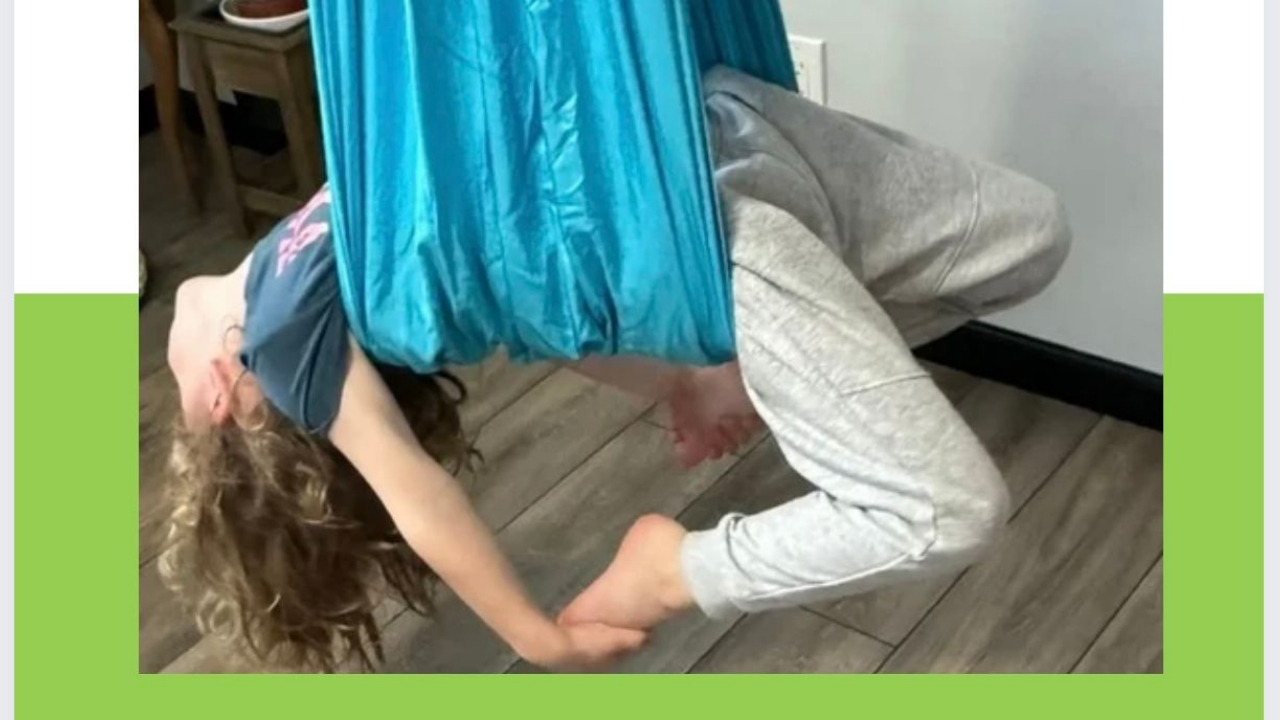
Big movements—rolling, climbing, crawling, bouncing—help wire these systems early in life. These activities don’t just “burn energy”; they strengthen the pathways that connect body awareness with emotional steadiness.
For Adults: Core as Anchor in Stress
Adults carry stress differently but the principles are the same. Weak or disconnected core patterns often show up as:
- Lower back tension
- Shallow breathing
- Difficulty grounding in stressful moments
By reconnecting to the core through mindful movement (Pilates, yoga, or simple breath-led exercises), adults can find both strength and regulation. The core becomes an anchor for resilience, steadiness, and clarity.
Practical Ways to Connect Core & Regulation
Here are a few tools to integrate into daily life:
- Breath + Core Awareness: Place a hand on your belly, another on your chest. Inhale to feel the belly rise, exhale to gently draw the navel inward.
- Rolling Movements for Kids: Rolling across the floor builds core strength while giving deep proprioceptive input that calms the nervous system.
- Seated Twist: For adults, gentle twists engage the deep abdominals and release stress stored in the spine.
- Playful Balance: Standing on one foot or balancing on a cushion builds core strength and nervous system adaptability—for kids and adults.
More Than Muscles: A Pathway to Calm
Core strength isn’t about six-packs or perfect posture. It’s about building a strong foundation for regulation, connection, and resilience. When we nurture the core—through breath, play, and mindful movement—we nurture the nervous system, too.
Because true strength isn’t just physical. It’s the ability to stay steady, calm, and connected—even when life feels unsteady.
Unlock Peace and Connection: With an interactive eBook,
Move into Calm 5 Minute tools to Help your Child and You Reset
Stay connected with news and updates!
Join our mailing list to receive the latest news and updates from our team.
Don't worry, your information will not be shared.
We hate SPAM. We will never sell your information, for any reason.