The Sensory System Behind Calm
Sep 06, 2026The Sensory Systems Behind Calm
When we think about helping a child feel calm, we often think about breathing, sitting quietly, or using words to talk through emotions.
But calm begins much deeper than that.
Before a child can focus, listen, transition, or manage big emotions, their nervous system is constantly gathering information from the body and the environment.
Three sensory systems play an especially important role in regulation:
The vestibular system. The proprioceptive system. The interoceptive system.
Understanding these systems can help us look beyond behavior and better understand what a child’s body may be communicating.
The Vestibular System: Where Am I in Space?
The vestibular system is located within the inner ear and helps the brain understand movement, balance, gravity, and changes in head position.
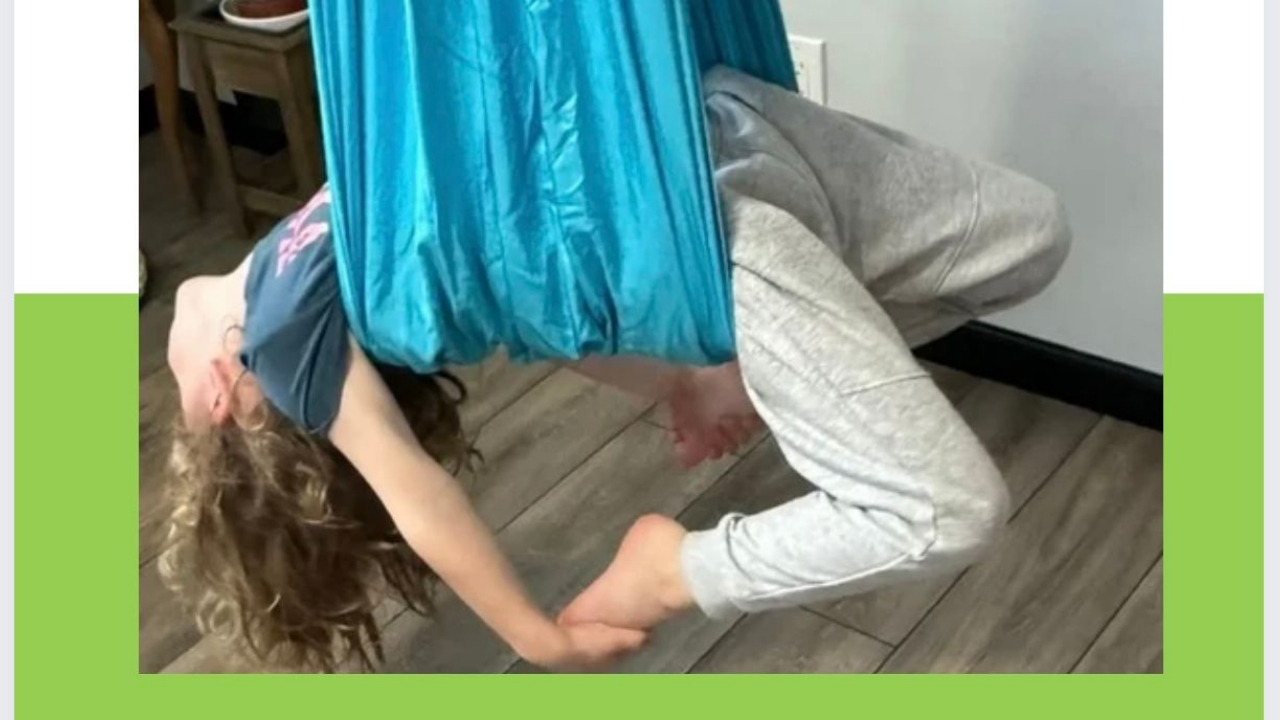
Every time a child swings, spins, jumps, rocks, hangs upside down, or moves across the playground, the vestibular system is receiving information.
For some children, movement helps organize the nervous system.
They may naturally seek:
- swinging
- rocking
- jumping
- running
- climbing
- hanging
- spinning
This doesn’t always mean a child is simply “hyper.”
Their nervous system may be looking for movement input to help them feel more organized and connected to their body.
Other children may be sensitive to vestibular input and avoid certain movements, heights, swings, or changes in position.
Neither response is wrong.
It is information.
The Proprioceptive System: Where Is My Body?
The proprioceptive system receives information from the muscles, joints, and connective tissues.
It helps us understand where our body is and how much force we are using.
Activities that involve pushing, pulling, carrying, climbing, crawling, squeezing, or resistance provide proprioceptive input.
This type of “heavy work” can be especially organizing for the nervous system.
Think about a child who:
- crashes into furniture
- hugs very tightly
- pushes against walls
- loves carrying heavy objects
- climbs constantly
- jumps repeatedly
- seeks rough-and-tumble play
Instead of immediately seeing these behaviors as disruptive, we can become curious.
Is this child’s body asking for more proprioceptive input?
Simple activities such as wall pushes, animal walks, carrying books, pushing a laundry basket, climbing playground equipment, or using resistance bands can help provide the body with the feedback it is seeking.
Interoception: What Is Happening Inside My Body?
Interoception is our ability to notice sensations happening inside the body.
It helps us recognize things such as:
- hunger
- thirst
- needing to use the bathroom
- heart rate
- breathing
- muscle tension
- temperature
- fatigue
- butterflies in the stomach
Interoception is also closely connected to emotional awareness.
Before a child can say, “I’m getting anxious,” they first need to notice what anxiety feels like inside their body.
Maybe their heart begins beating faster.
Maybe their stomach tightens.
Maybe their shoulders lift.
Maybe they begin holding their breath.
This is why body awareness is such an important part of emotional regulation.
We cannot expect children to regulate sensations they do not yet recognize.
Behavior Is Often Sensory Communication
A child who cannot sit still may need movement.
A child who crashes into everything may be seeking deep pressure and proprioceptive input.
A child who suddenly melts down may have missed the early internal signals that their body was becoming overwhelmed.
When we only focus on stopping the behavior, we can miss the message underneath it.
Instead of asking:
“How do I make this behavior stop?”
We can begin asking:
“What information might this nervous system be seeking?”
That shift changes everything.
Supporting Regulation From the Body Up
At Move Into Calm, we use movement, breath, sensory awareness, and connection to help children and adults notice what their bodies need.
Sometimes regulation looks like slow breathing.
Sometimes it looks like rocking.
Sometimes it looks like pushing against a wall.
Sometimes it looks like jumping, climbing, stretching, or feeling the feet press firmly into the floor.
There is no single tool that works for every nervous system.
The goal is not to make every child calm and still.
The goal is to help children develop greater awareness of their bodies and gradually discover what helps them feel safe, organized, connected, and ready to engage.
Because regulation begins in the body—not in behavior.
And when we understand the sensory systems behind calm, behavior begins to make much more sense.
Unlock Peace and Connection: With an interactive eBook,
Move into Calm 5 Minute tools to Help your Child and You Reset
Stay connected with news and updates!
Join our mailing list to receive the latest news and updates from our team.
Don't worry, your information will not be shared.
We hate SPAM. We will never sell your information, for any reason.