When Stillness Feels Impossible: What the Nervous System Is Trying to Say
Nov 20, 2025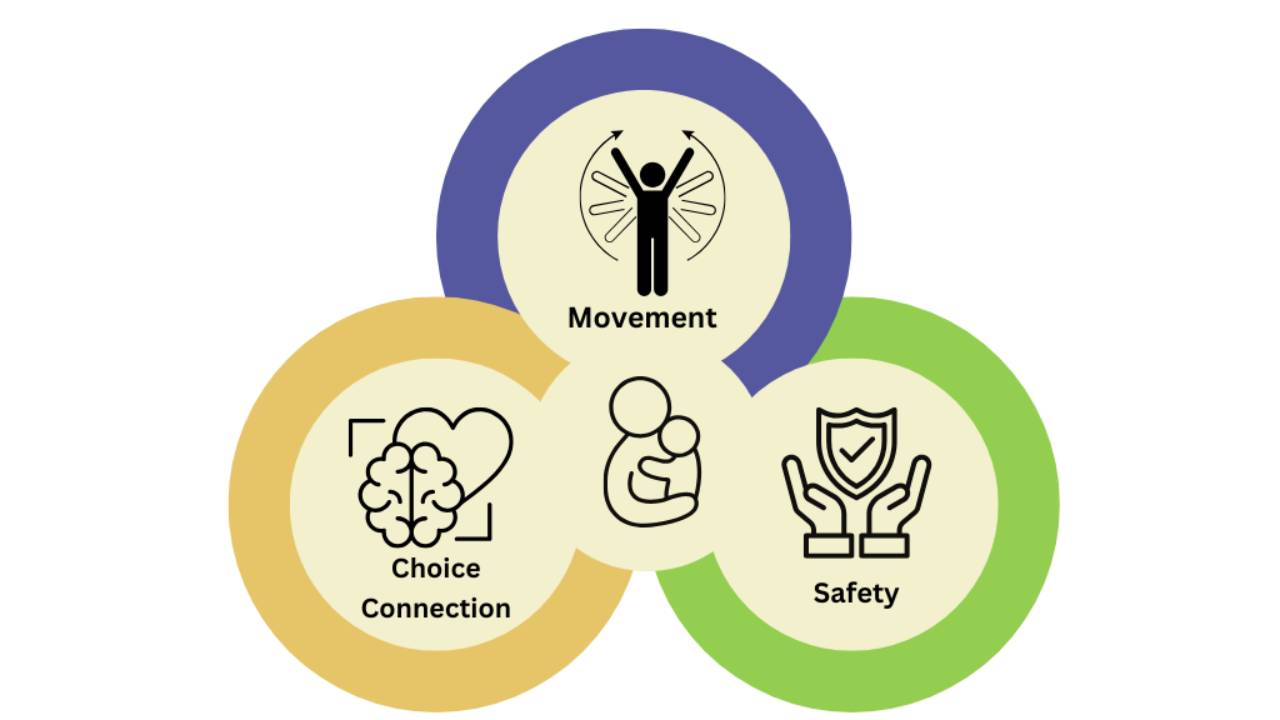
Have you ever watched a child who simply can’t sit still?
They’re in constant motion — tapping, bouncing, spinning, asking questions, reaching for something new before finishing the last thing.
To the outside world, it might look like a distraction or defiance.
But often, it’s not a behavior problem at all.
It’s a nervous system calling for regulation.
The Body Keeps the Score — Even in Children
Dr. Bessel van der Kolk, author of The Body Keeps the Score, reminds us that the body remembers what the mind forgets.
When children live with stress, unpredictability, or even subtle daily overwhelm, their nervous systems can get stuck in “on” mode.
That “on” mode is a form of survival — the body’s way of scanning for safety.
So while it might seem like a child can’t focus, the truth is their brain is doing exactly what it was designed to do when it doesn’t feel safe: move, react, and stay alert.
“Many children who are diagnosed with attention problems are, in fact, hypervigilant — their nervous systems are on constant alert.”
— Bessel van der Kolk
Breath: The Language of the Nervous System
When we tell a child to “calm down” or “pay attention,” we’re speaking to the thinking brain.
But if their body is in fight, flight, or freeze — the thinking brain isn’t in charge.
That’s why van der Kolk emphasizes that breath and movement are the fastest ways to restore balance.
Breathing deeply, especially with long, slow exhales, signals safety through the vagus nerve — the body’s internal calm button.
“When you take a deep breath, you can feel your body calming down — your heart rate slows, your body gets quieter, and you can begin to feel safe again.”
— Bessel van der Kolk
Breathing reconnects body and brain.
It tells the nervous system, “You don’t have to stay on guard right now.”
Movement Before Stillness
In Move Into Calm, I often remind parents and educators:
“You have to move before you can be still.”
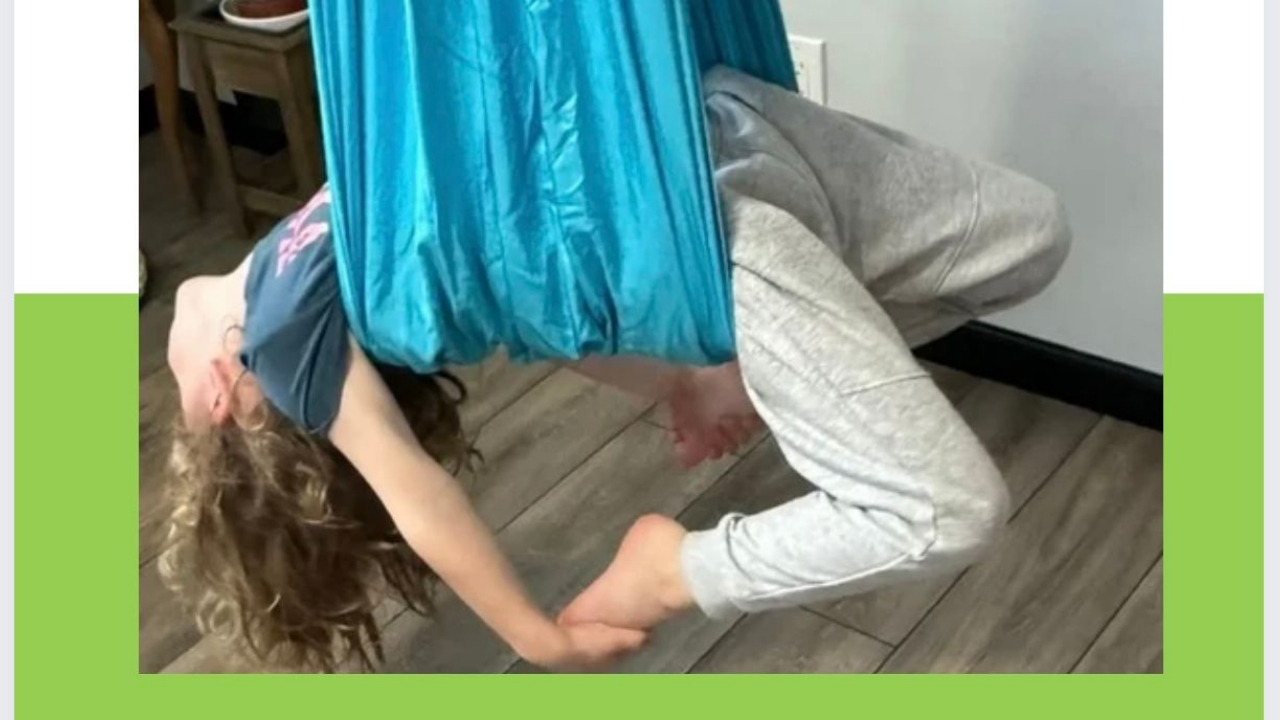
Children who appear restless are often seeking sensory input that helps organize their brains.
They’re not being disruptive — they’re looking for regulation through movement.
Activities that involve balance, pushing, pulling, or deep pressure (like rolling on a peanut ball or wall pushes) provide proprioceptive input — the kind that helps the body feel grounded and the mind focus.
Movement becomes medicine for the nervous system.
Safety and Connection Come First
Bessel van der Kolk also reminds us that no amount of talking or reasoning can calm a dysregulated child.
Regulation happens through the body first, and through connection always.
Children learn calm from our calm.
When we breathe together, move together, or simply stay regulated beside them, we’re speaking the body’s most powerful language — safety.
“Safety is the foundation for attention. A calm body creates a calm mind.”
— Bessel van der Kolk
Move Into Calm: Where Movement Meets Neuroscience
In Move Into Calm sessions, we use movement, breath, and connection to help children and caregivers move from chaos to calm.
Each session supports the pillars of:
🌿 Movement — to release energy and build balance
💛 Nervous System Awareness — to understand what the body is saying
🤝 Connection — to restore safety through co-regulation
Because when the body feels safe, the brain can finally focus, learn, and connect.
The Takeaway
When stillness feels impossible, the solution isn’t more control — it’s more compassion, more breath, and more movement.
Our nervous systems are built to protect us.
With the right tools, we can help children shift from survival to safety, from movement to mindfulness, and from chaos to calm.
➡️ Want to learn how movement calms emotions and builds focus?
Schedule a free Calm Chat and explore how Move Into Calm can support your child or classroom.
https://calendly.com/studiotpil595/30-minute-calm-chat
Unlock Peace and Connection: With an interactive eBook,
Move into Calm 5 Minute tools to Help your Child and You Reset
Stay connected with news and updates!
Join our mailing list to receive the latest news and updates from our team.
Don't worry, your information will not be shared.
We hate SPAM. We will never sell your information, for any reason.