Why Big Movement Matters for Small Bodies
Aug 29, 2025
Why Big Movement Matters for Small Bodies
When you picture young children, you probably see them in motion—running, jumping, climbing, spinning, bouncing. To adults, it might look like “just play.” But underneath the laughter and wiggles, big movement is shaping their nervous system, balance, coordination, and emotional regulation.
Let’s explore why those big, bold movements matter so much for little bodies.
Big Movement Builds the Brain
Children’s brains don’t grow only from books or worksheets—they grow through movement. When a child climbs a jungle gym, rolls down a hill, or stretches their arms wide, the brain is flooded with sensory input.
- Proprioception (awareness of muscles and joints) develops through pushing, pulling, jumping, and lifting.
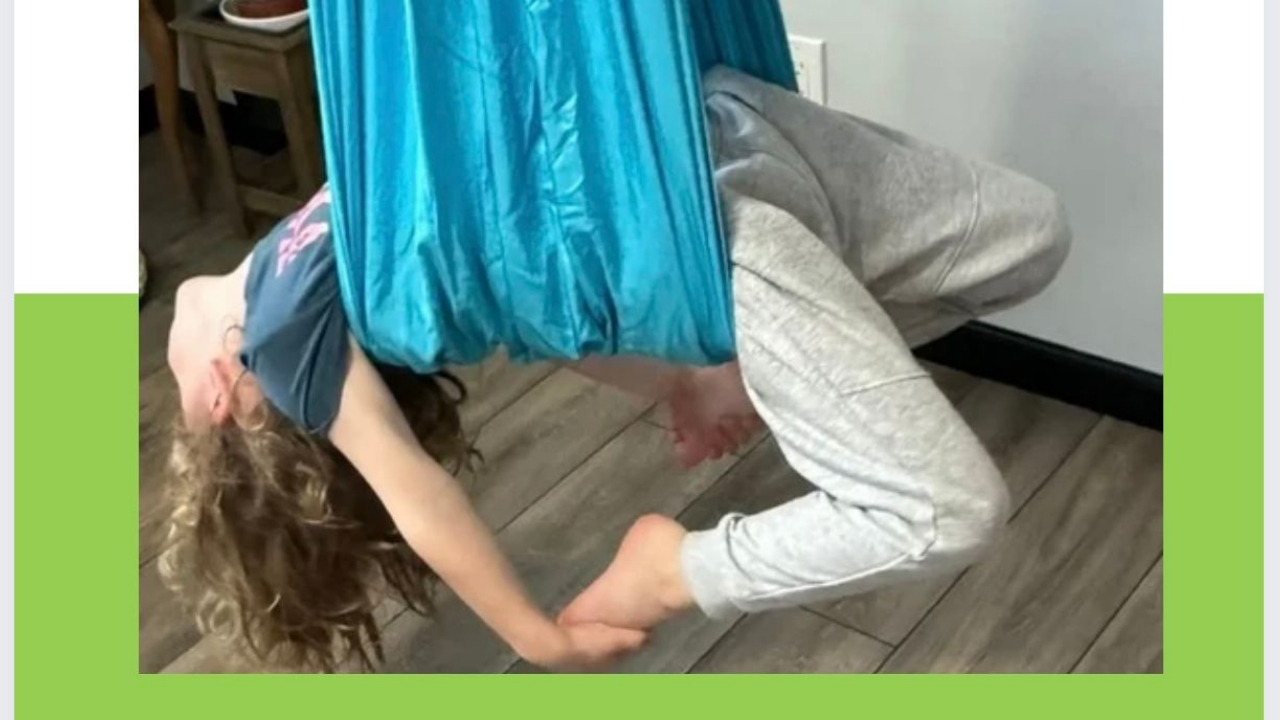
- Vestibular input (balance and spatial awareness) comes from swinging, spinning, and rolling.
- These sensory systems wire directly into the nervous system, strengthening focus, coordination, and even self-control.
In other words, movement isn’t separate from learning—it is the foundation of it.
Balance, Coordination, and Core Strength
Think about the effort it takes for a child to balance on one leg, hop across stepping stones, or catch a ball. These “big body” challenges do more than build muscle. They:
- Strengthen the core, which supports posture and attention.
- Sharpen coordination between the left and right sides of the body, a key step in crossing midline and later reading and writing skills.
- Build resilience, as children wobble, fall, and try again.
Every tumble is practice for standing tall—in both body and spirit.
Nervous System Regulation Through Movement
Big movement is also regulation in action. When children move with intensity—running across a field, crashing into a crash pad, or stretching wide with a resistance band like the Stretch-eze—their nervous system shifts.
- For an over-activated child, heavy, grounding movement can bring calm.
- For a sluggish or shut-down child, playful, energizing movement can wake the system back up.
This back-and-forth flow teaches kids how to self-regulate: to notice how their body feels and find the movements that bring them back into balance.
Emotional Expression and Confidence
Small bodies carry big feelings. Sometimes, those feelings don’t have words yet—but they can move. Leaping, stomping, twirling, or even shaking helps release stress and express emotions safely.
When a child stretches wide into space, they learn openness.
When they curl tight, they find comfort and containment.
Both patterns—expansion and contraction—are essential for emotional safety.
What You Can Do as a Parent or Educator
Supporting big movement doesn’t require fancy equipment. Try:
- Dancing together to upbeat music.
- Rolling down a grassy hill.
- Creating an obstacle course with pillows, chairs, or cones.
- Using a therapy ball for bouncing, balancing, or rolling games.
- Incorporating short “movement breaks” during homework or classroom time.
The key is to make space for movement every day.
Final Thought
Big movement is not a distraction—it’s a child’s natural language for growing, regulating, and connecting. By honoring and encouraging it, we give children the foundation to build focus, resilience, and joy.
🌿 In Move Into Calm, we weave these practices into playful, practical tools—helping kids and caregivers discover that when the body moves, the nervous system finds balance.
Unlock Peace and Connection: With an interactive eBook,
Move into Calm 5 Minute tools to Help your Child and You Reset
Stay connected with news and updates!
Join our mailing list to receive the latest news and updates from our team.
Don't worry, your information will not be shared.
We hate SPAM. We will never sell your information, for any reason.