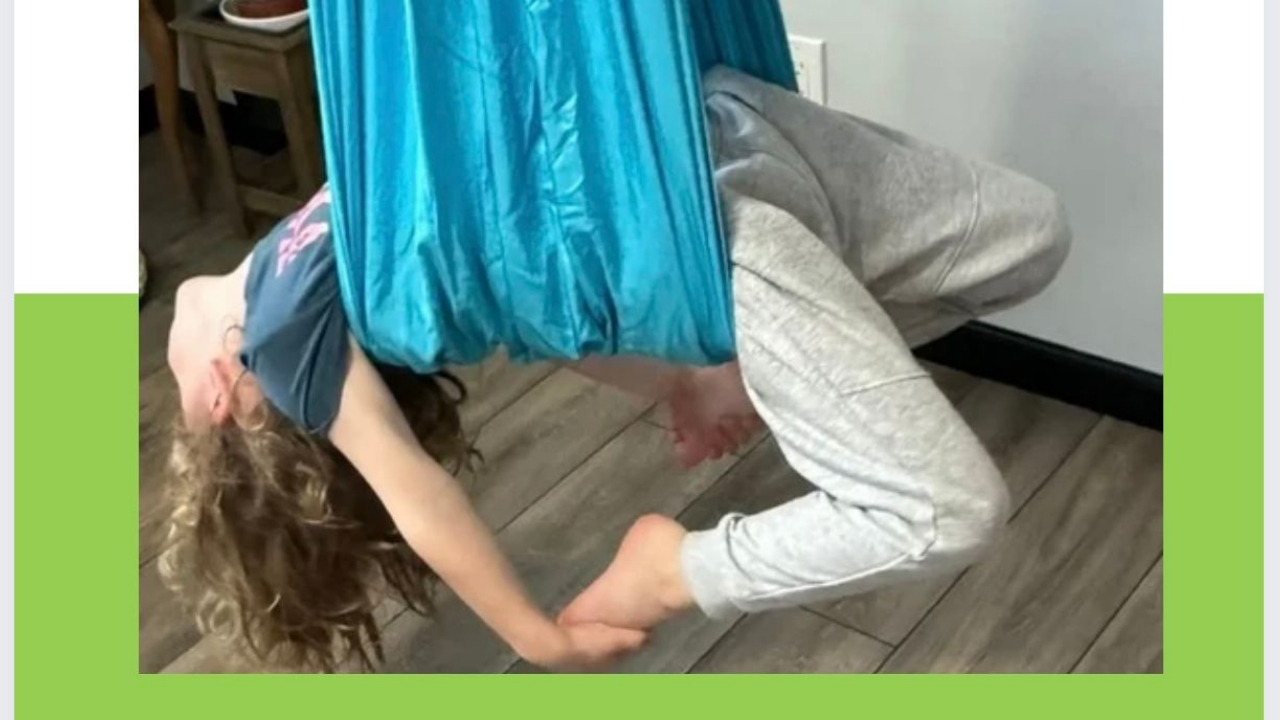
Why Children Need to Move Their Bodies for Emotional Regulation
Oct 04, 2025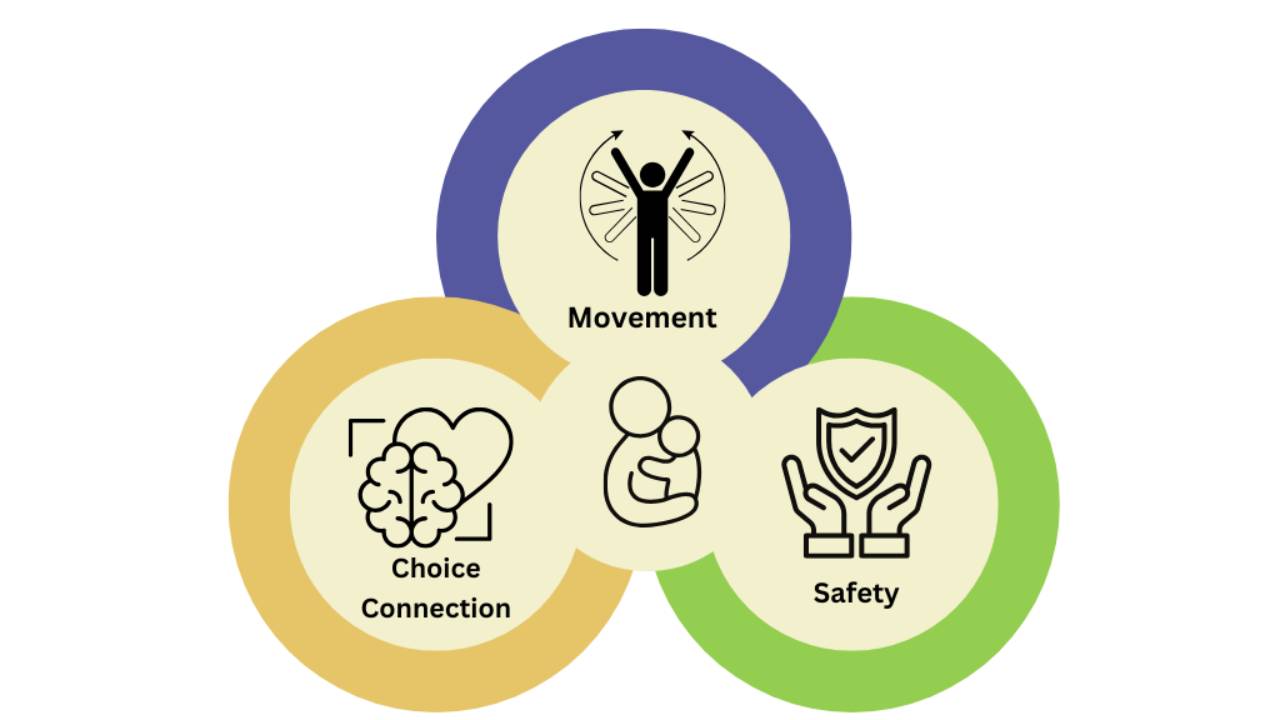
We often think of movement as “exercise”—something we do for physical health, fitness, or sports. But for children, movement is far more than that. It is one of the most essential tools for emotional regulation, helping kids manage stress, big feelings, and the daily ups and downs of life.
Movement and the Nervous System
Children’s bodies are wired to move. Movement isn’t just about muscles and bones—it’s about the nervous system, which plays a key role in how safe, calm, or overwhelmed a child feels.
When children are stressed or anxious, their nervous system shifts into a state of dysregulation. This often shows up as:
- Big emotions (tantrums, meltdowns, or anger outbursts)
- Difficulty focusing or listening
- Restlessness or hyperactivity
- Withdrawal, shutting down, or appearing “checked out”
Through movement—whether it’s running, climbing, jumping, or practicing breath with gentle stretches—the body has a natural way to discharge stress, reset energy, and signal safety to the brain.
The Science Behind It
Movement increases circulation, supports healthy breathing patterns, and activates the vagus nerve, which helps bring the body out of “fight, flight, or freeze” and into a more balanced state. In simple terms: moving the body helps children feel calmer, more focused, and more connected.
This is why you’ll often notice a child feels more relaxed after riding a bike, bouncing on a trampoline, or even just taking a walk. Movement is nature’s regulatory tool.
Emotional Skills Built Through Movement
When children move, they’re not only regulating in the moment—they’re also building lifelong skills:
- Self-awareness: noticing how their body feels when they’re calm versus overwhelmed.
- Resilience: practicing ways to shift from stress back into balance.
- Confidence: experiencing mastery and joy through their bodies.
- Connection: co-regulating with adults or peers through play, games, and shared movement.
What Adults Can Do
The most powerful thing we can offer children is the invitation to move—not as a demand, but as a gentle option when big emotions rise. Some simple ways to integrate movement for regulation include:
- Jumping, hopping, or skipping games
- Dancing to music together
- Rolling on the floor, crawling, or “animal walks”
- Swinging, climbing, or sliding at the playground
- Stretching, yoga, or Pilates-inspired movements with breath
And remember: adults go first. When we move our own bodies, breathe deeply, and show steadiness, children borrow from our regulation.
Movement as a Path to Calm
At the heart of emotional regulation is the ability to return to a sense of safety. Movement offers children that pathway—not through words alone, but through their bodies. When kids can feel safe inside themselves, learning, focus, and joy naturally follow.
This is why I created Move Into Motion, a 21-day self-paced course for parents, grandparents, caregivers, and educators. Each day combines Learn – Move – Explore practices rooted in the nervous system, movement, and breath—helping adults and children find balance together.
Questions about Move into Cakm? Email [email protected]
Unlock Peace and Connection: With an interactive eBook,
Move into Calm 5 Minute tools to Help your Child and You Reset
Stay connected with news and updates!
Join our mailing list to receive the latest news and updates from our team.
Don't worry, your information will not be shared.
We hate SPAM. We will never sell your information, for any reason.