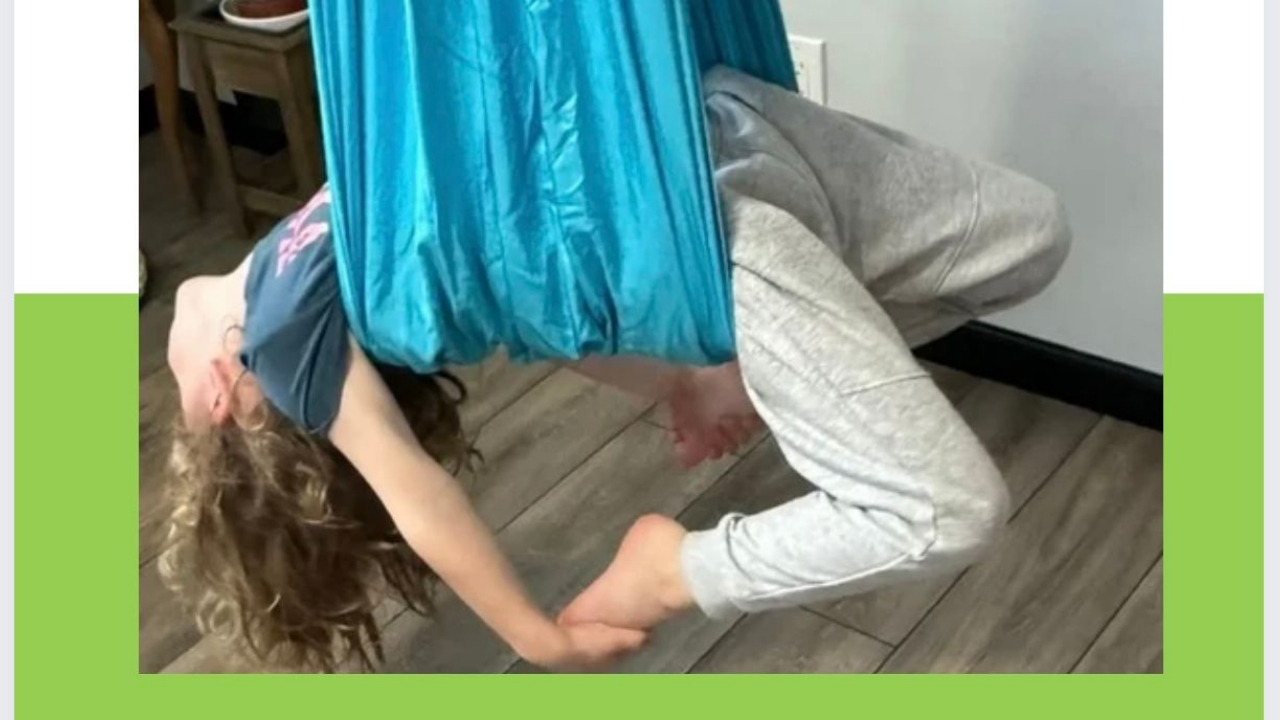
Why Movement Changes the Nervous System
Sep 21, 2026Why Movement Changes the Nervous System
Sometimes the body needs to move before the brain is ready to listen, learn, or connect.
We often think of movement as exercise.
A workout. A brain break. Recess. Something we do after sitting too long.
But movement is much more than that.
Movement is information for the nervous system.
Every time we push, pull, stretch, reach, crawl, balance, walk, rock, or press our feet into the floor, sensory information travels from the body to the brain.
That information helps the nervous system answer an important question:
What is happening inside my body—and what do I need right now?
The Nervous System Is Always Listening
The nervous system is constantly receiving information from both inside and outside the body.
Sound. Light. Touch. Movement. Gravity. Muscle tension. Breathing. Heart rate. Temperature. People. Environment.
For a child—or an adult—experiencing stress, overwhelm, anxiety, sensory overload, or accumulated demands, the nervous system may become more protective.
Attention may narrow.
Muscles may tighten.
Breathing may become shallow or held.
The body may become restless, impulsive, agitated, frozen, or exhausted.
And this is where we often make a mistake.
We try to talk the nervous system out of a body-based state.
“Calm down.”
“Take a breath.”
“Sit still.”
“Focus.”
“Use your words.”
But sometimes the body isn’t ready for words yet.
Sometimes it needs movement first.
Movement Can Change State
Movement provides sensory input that can help organize the brain and body.
Proprioceptive input—information coming from the muscles and joints—can occur through activities such as pushing, pulling, carrying, climbing, squeezing, hanging, or pressing into the floor or wall.
Vestibular input comes through movement and changes in head position and helps the brain understand balance, gravity, speed, and where the body is in space.
Interoception helps us notice signals coming from inside the body: breathing, heartbeat, hunger, temperature, tension, fatigue, and the internal sensations connected with emotions.
These systems work together.
That is why something as simple as pushing against a wall can feel very different from being told to “sit down and calm down.”
The body is receiving information.
Sometimes We Need More Movement—not Less
Consider the child who cannot stop moving.
They wiggle.
Bounce.
Rock.
Kick their feet.
Lean back in the chair.
Touch everything.
We may see disruptive behavior.
But the nervous system may be communicating:
I need more information from my body.
Taking movement away isn’t always the answer.
The better question may be:
What kind of movement does this nervous system need?
For one child, it might be heavy pushing and pulling.
For another, slow rhythmic movement.
Another may need to walk, carry something, stretch, or press their feet firmly into the floor.
Adults are no different.
I see adults who need strong push-pull movement to feel more organized in their bodies. Others need gentle movement paired with slower breathing.
Regulation isn’t one-size-fits-all.
Movement Can Prepare the Brain for Learning
When the nervous system is working hard to protect us, fewer resources may be available for higher-level processes such as sustained attention, working memory, flexible thinking, planning, problem-solving, and impulse control.
This doesn’t mean the thinking brain simply “shuts off.”
The brain is far more interconnected than that.
It means that under stress, the brain and body may prioritize immediate protection over reflection and learning.
That is why I encourage educators to reconsider the idea of movement as something children earn after completing their work.
Movement can be part of what helps prepare the nervous system for the work.
Instead of:
Sit → Focus → Work → Earn Movement
Consider:
Move → Organize → Connect → Learn
Adults Need Movement, Too
This conversation isn’t only about children.
Educators walk into classrooms carrying their own nervous systems.
Parents bring theirs into the home.
Professionals carry theirs into meetings.
Our bodies accumulate stress throughout the day, often without us realizing it.
Shoulders rise.
Jaws tighten.
Breathing changes.
We grip our hands.
We stop feeling our feet.
We rush from one thing to another.
Then we wonder why we’re exhausted, irritable, overwhelmed, or unable to settle.
Movement gives us an opportunity to notice and shift what is happening in the body.
A walk.
A wall push.
Stretching.
Reaching.
Shaking out the hands.
Cross-body movement.
Pressing the feet into the ground.
Sometimes it doesn’t require a 60-minute workout.
It requires 60 seconds of giving the nervous system different information.
Motion Calms Emotions
This is why movement is at the center of my work with Move Into Calm.
I don’t begin by asking:
How do we stop this behavior?
I begin by asking:
What is the nervous system communicating through the body?
And then:
What does this body need to feel more organized, connected, and available?
Because behavior is only what we can see.
Underneath it is a brain.
A body.
A sensory system.
A nervous system.
And a human being trying to navigate their environment with the resources available to them in that moment.
Regulation begins in the body—not in behavior.
And sometimes one of the most powerful ways to change what is happening in the nervous system is beautifully simple:
Move.
Bring Move Into Calm to Your School, Organization, or Family
Move Into Calm brings together movement, breath, sensory awareness, applied educational neuroscience, and nervous system education to help adults and children better understand what is happening beneath behavior.
I work with educators, schools, organizations, parents, children, and adults through workshops, professional development, and private nervous system coaching.
If your team is talking about behavior, stress, burnout, attention, sensory needs, or regulation—but hasn’t yet learned how the body and nervous system fit into the conversation—this is where we begin.
Let’s move beyond managing behavior and start understanding the nervous system underneath it.
Visit moveintocalm.com to learn more or schedule a Calm Chat.
Move Into Calm™
Where motion calms emotions.
Unlock Peace and Connection: With an interactive eBook,
Move into Calm 5 Minute tools to Help your Child and You Reset
Stay connected with news and updates!
Join our mailing list to receive the latest news and updates from our team.
Don't worry, your information will not be shared.
We hate SPAM. We will never sell your information, for any reason.