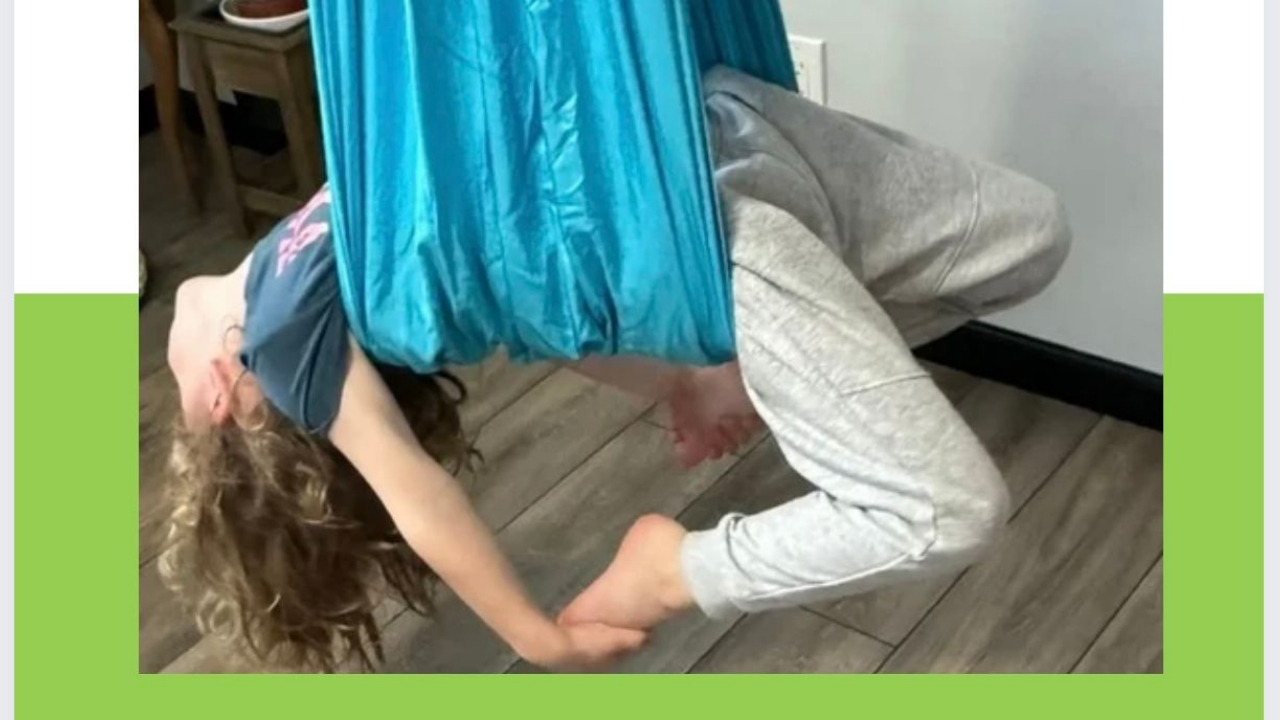
Why Taking Risks Is Essential for Children’s Growth
Jul 11, 2025
Empowering Parents, Caregivers, and Educators to Support Healthy Risk-Taking
In a world that often prioritizes safety, structure, and predictability, the idea of letting children take risks can feel uncomfortable. But healthy, age-appropriate risk-taking is not only beneficial—it’s essential for a child’s development.
Whether it’s climbing a tree, trying a new activity, speaking up in class, or navigating a social situation, these moments of “trying something new” build the foundation for resilience, confidence, and independence.
Why Risk-Taking Matters
- Builds Confidence and Resilience
When children take risks—big or small—they learn to trust themselves. They gain confidence through the experience of trying, failing, adjusting, and succeeding. These moments teach them that setbacks are part of learning, not something to fear. - Supports Brain and Nervous System Development
Risky play activates the brain in powerful ways. It engages problem-solving, decision-making, and sensory processing. When a child balances on a beam or jumps from a step, their nervous system is learning to regulate and adapt. These moments strengthen brain-body connections that support emotional and academic growth. - Fosters Independence and Responsibility
By allowing children to assess situations and make decisions, we empower them to take ownership of their actions. They begin to understand natural consequences, learn to listen to their bodies, and develop critical thinking skills. - Encourages Emotional Regulation
Taking a risk—like raising a hand in class or joining a new game—can be emotionally charged. But when children are supported through these experiences, they learn how to move through discomfort and regulate their emotions in real time. - Promotes Joy and Curiosity
Risk-taking invites adventure. It nurtures curiosity and creativity, allowing children to explore their limits, discover new interests, and experience joy in movement and exploration.
How You Can Support Healthy Risk-Taking
- Start Small: Let children climb, balance, and explore with supervision—not restriction.
- Use Encouraging Language: “You’ve got this!” or “I see you’re being careful!” helps them feel supported.
- Normalize Failure: Mistakes are valuable learning moments. Celebrate effort, not just success.
- Model It Yourself: Let children see you try new things and manage your own emotions when things don’t go perfectly.
Final Thoughts
As parents, caregivers, and educators, our role isn’t to remove all risk—it’s to create environments where children feel safe enough to try, to stumble, and to grow. Because every leap off a rock, every shaky bike ride, and every brave new word builds a stronger, more confident child.
Let’s raise resilient kids who are ready to face the world—not avoid it.
Unlock Peace and Connection: With an interactive eBook,
Move into Calm 5 Minute tools to Help your Child and You Reset
Stay connected with news and updates!
Join our mailing list to receive the latest news and updates from our team.
Don't worry, your information will not be shared.
We hate SPAM. We will never sell your information, for any reason.