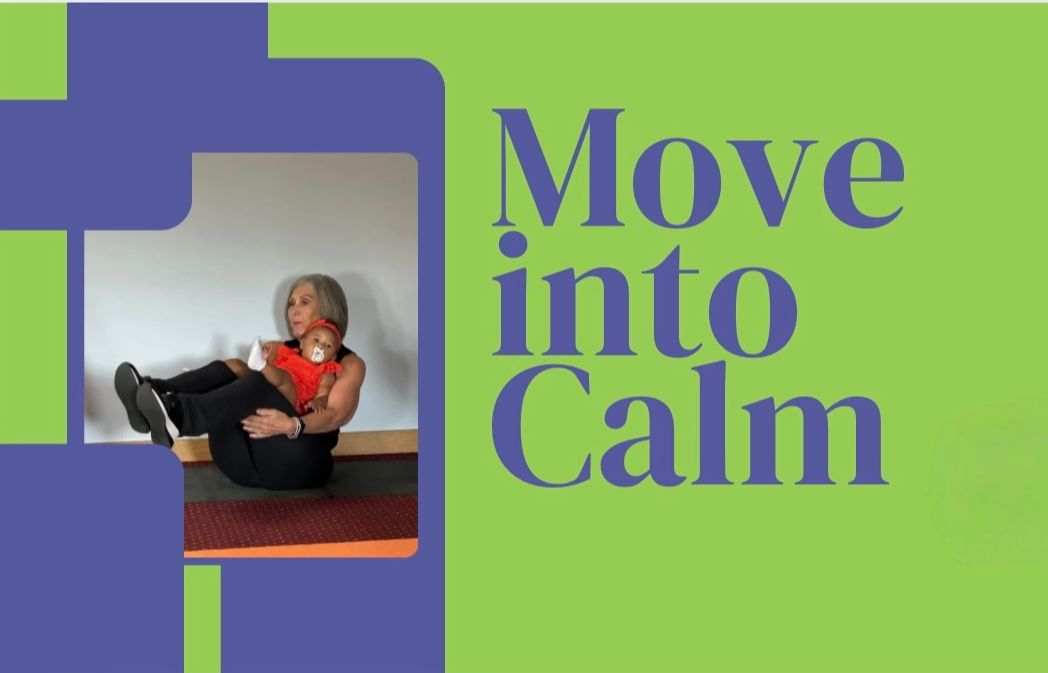
When Your Child Is Struggling, Behavior Is Only Part of the Story
There may be more happening underneath.
Maybe your child:
- Melts down over things that seem small
- Struggles with transitions
- Is constantly moving, climbing, crashing, or touching
- Has difficulty settling for sleep
- Becomes overwhelmed by sounds, clothing, crowds, or busy environments
- Shuts down, explodes, or seems unable to tell you what they need
- Has trouble focusing or sitting still
- Seems anxious, frustrated, or easily overwhelmed
And maybe you’ve tried explaining, reminding, redirecting, rewarding, and setting limits…
…but nothing seems to work consistently.
You may be asking yourself:
“What am I missing?”
You may not be missing a parenting strategy.
You may be seeing a nervous system that needs support.
Connect with TamiBehavior Is Communication
But It’s Also Biology
Children don’t always have the words to tell us:
“My body feels overwhelmed.”
“This transition feels too hard.”
“I need movement.”
“That sound is too much.”
“I don’t know how to calm myself yet.”
Sometimes their body communicates for them.
Running.
Crashing.
Hiding.
Crying.
Clinging.
Shutting down.
Refusing.
Exploding.
Instead of asking only,
“How do I stop this behavior?”
Move Into Calm helps us begin asking:
“What might this child’s nervous system be communicating?”
That shift can change everything.
Regulation Begins in the Body
Children cannot always think their way into calm.
Before a child can consistently use words, follow directions, manage emotions, or problem-solve, their nervous system needs enough safety and regulation to access those skills.
That is why Move Into Calm begins with the body.
Through gentle movement, breath, sensory experiences, connection, and nervous system awareness, children begin developing the foundations for regulation from the inside out.
Motion can help calm emotions.
Your Child May Need More Than “Calm Down”
When a child is overwhelmed, telling them to calm down may not give their body the information it needs.
Some children need to:
Push.
Pull.
Jump.
Hang.
Rock.
Breathe.
Stretch.
Carry.
Crawl.
Press their feet into the floor.
Receive deep pressure.
Move before they can become still.
These experiences provide important sensory information to the brain and body.
Move Into Calm helps parents understand why certain types of movement work and how to intentionally use them throughout everyday life.
The Sensory Systems Behind Regulation
Most of us learned about the five senses.
But several less-talked-about sensory systems play a major role in regulation.
Vestibular
The sense of movement and balance.
Proprioception
The sense of where the body is in space through muscles and joints.
Interoception
The ability to notice what is happening inside the body — such as breathing, heartbeat, tension, hunger, or the need for the bathroom.
When these systems are supported, children can
Children regulate in relationship.
Your nervous system communicates long before your words do.
That does not mean parents have to be calm all the time.
It means we can begin becoming more aware of our own bodies, our own stress responses, and what helps us return to regulation.
Because self-regulation develops through co-regulation.
Before children can consistently regulate themselves, they often need a regulated adult beside them.
Adults go first — not because we have to be perfect, but because connection creates safety.
begin building stronger body awareness, emotional awareness, and regulation.


Move Into Calm Helps You Understand the “Why”
You don’t need another list of behavior-management strategies.
You need tools that help you understand what may be happening beneath the behavior.
Move Into Calm brings together:
Movement • Breath • Nervous System Awareness • Sensory Support • Connection
You’ll learn simple, practical ways to support your child without turning your home into a therapy session.
The goal isn’t a perfectly calm child.
The goal is helping your child develop a greater capacity to move through big feelings, sensory needs, stress, and everyday challenges with growing awareness and support.
Support That Meets Your Family Where You Are
Move Into Calm offers support for parents, caregivers, and children through options such as:
Parent + Child Coaching
Individualized sessions designed around your child’s unique movement, sensory, and regulation needs.
Parent Education
Learn how the nervous system influences behavior, attention, emotions, transitions, and connection.
Movement-Based Regulation Sessions
Playful experiences using breath, movement, heavy work, balance, rhythm, sensory input, and body awareness.
Courses + Resources
Simple tools you can begin using at home without adding another complicated task to your day.
Courses + Resources
Simple tools you can begin using at home without adding another complicated task to your day.
21-Day Move Into Calm Course
A simple, self-paced course designed for parents and caregivers who want to better understand their child’s nervous system and learn practical ways to support regulation through movement, breath, and connection.
Over 21 days, you’ll learn how to:
- Recognize what may be happening underneath your child’s behavior
- Use simple movement and breathing tools to support regulation
- Better understand sensory needs and body signals
- Support co-regulation and connection
- Build calming practices into everyday routines
Each day is designed to be manageable, practical, and easy to use with your child.
Learn • Move • Explore
Small shifts can create meaningful change.
Ready to Get Started?

Their body may be telling you they’re having a hard time.
When we begin looking beneath behavior, we create space for something different:
More understanding.
More connection.
More confidence.
And more moments of calm.
Regulation isn’t something we demand from children. It’s something we build with them.
Ready to Understand What Your Child’s Body May Be Telling You?
You don’t have to figure it out alone.
Start with a conversation.
Schedule a Free Calm Chat
We’ll talk about what you’re noticing, where your family is struggling, and what kind of support may be most helpful.
LET’S TALK click the button below
Or explore Move Into Calm programs and resources designed specifically for parents and caregivers.
Movement. Breath. Connection. Where motion calms emotions.
I would keep the actual Kajabi page visually spacious and break this into sections rather than putting all the copy on screen at once. Your strongest top-of-page message is “When Your Child Is Struggling, Behavior Is Only Part of the Story.” The first CTA could appear after the pain-point section rather than waiting until the bottom.
Free Calm Chat