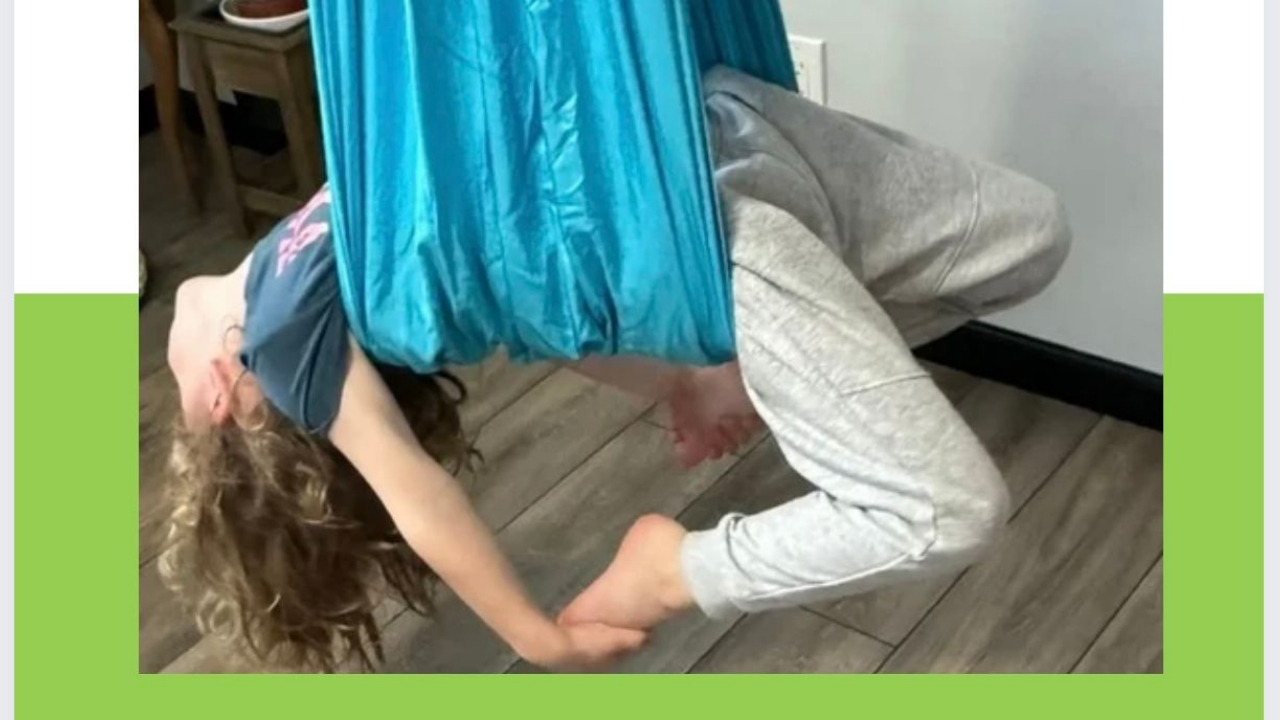
Movement as Medicine for Sensory Sensitive and Neurodivergent Children
Feb 04, 2026Movement as Medicine for Sensory-Sensitive and Neurodivergent Children
For many sensory-sensitive and neurodivergent children, the world can feel loud, fast, unpredictable, and overwhelming. What often shows up on the outside—meltdowns, shutdowns, restlessness, difficulty focusing, resistance to transitions—is not defiance or poor behavior. It is a nervous system doing its best to cope.
Before children can access language, logic, or learning, their bodies are communicating first.
The Body Leads Before the Brain
Neuroscience shows us that the brain develops from the bottom up. The lower parts of the brain—those responsible for survival, sensory processing, and regulation—must feel safe before the higher brain centers responsible for reasoning, language, and executive functioning can come online.
When a child’s nervous system detects threat or overload, the brain shifts into a survival response. This can look like:
- Fight (big emotions, aggression, resistance)
- Flight (restlessness, running, avoidance)
- Freeze or shutdown (withdrawal, collapse, disconnection)
In these states, children are not choosing their behavior—their nervous system is driving it.
This is where movement becomes medicine.
Why Movement Works (The Neuroscience Behind It)
Movement directly supports the nervous system by sending bottom-up signals to the brain that say, “I am safe.” Rhythmic, repetitive, and proprioceptive movement activates pathways that help regulate arousal and organize sensory input.
From a neuroscience lens, movement:
- Supports integration between the brainstem, limbic system, and cortex
- Helps regulate stress hormones like cortisol and adrenaline
- Increases sensory feedback to improve body awareness (interoception and proprioception)
- Supports vagal tone, which is linked to calm states, social engagement, and emotional regulation
In simple terms: movement helps the nervous system shift out of survival and back into connection and learning.
Sensory Needs Aren’t Problems to Fix
Many children labeled as “too active,” “too sensitive,” or “too much” are actually seeking regulation. A child who crashes into furniture, spins, chews, or constantly moves may be attempting to organize their nervous system through sensation. A child who avoids movement, hides, or resists touch may need slow, predictable input to feel safe.
Neuroscience reminds us that behavior is a reflection of nervous system state, not character.
When we reframe behavior as communication, our response changes.
Instead of asking, “How do I stop this behavior?”
We begin asking, “What does this nervous system need right now?”
Movement as a Pathway to Regulation
When movement is offered intentionally—with choice, predictability, and attunement—it becomes a powerful regulation tool. Movement-based regulation can support:
- Improved body awareness and coordination
- Greater emotional regulation and impulse control
- Reduced sensory overwhelm and anxiety
- Increased focus, readiness to learn, and engagement
- A felt sense of safety and agency in the body
These shifts happen not because a child is being trained to behave—but because their nervous system feels supported.
This Is the Foundation of
Move Into Calm
This understanding is at the heart of Move Into Calm. The approach centers the nervous system first, using movement and breath as tools for regulation rather than correction.
Practices are individualized because neuroscience tells us no two nervous systems are the same. Some children need strong, grounding input. Others need slow, gentle, rhythmic movement. What matters most is listening to the body and responding with curiosity instead of control.
When the Body Feels Safe, Everything Else Can Follow
Learning, connection, and emotional regulation do not begin in the thinking brain. They begin in the body.
When children feel safe in their bodies, we often see:
- Smoother transitions
- Fewer meltdowns
- Improved attention and participation
- More ease in relationships
Movement is not an “extra.” For many sensory-sensitive and neurodivergent children, it is foundational.
An Invitation
If you are a caregiver or educator supporting a child who struggles with regulation, know this: you are not failing them—and they are not broken. Their nervous system is asking for support, not discipline.
Movement offers a powerful place to begin.
✨ Motion calms emotions.
✨ Regulation starts in the body.
If you’d like support learning how to use movement and breath to help children feel calmer, more regulated, and more connected, explore Move Into Calm or schedule a Calm Chat to learn more.
Unlock Peace and Connection: With an interactive eBook,
Move into Calm 5 Minute tools to Help your Child and You Reset
Stay connected with news and updates!
Join our mailing list to receive the latest news and updates from our team.
Don't worry, your information will not be shared.
We hate SPAM. We will never sell your information, for any reason.