Why Stillness Is Not the Goal for Young Children Nervous Systems
Jan 14, 2026
Why Stillness Is Not the Goal for Young Nervous Systems
For many children, stillness is often treated as the marker of success.
Sitting quietly.
Keeping their bodies calm.
Holding it together.
But for young nervous systems, stillness is not the starting point—and it’s rarely the goal.
Young Bodies Are Built to Move
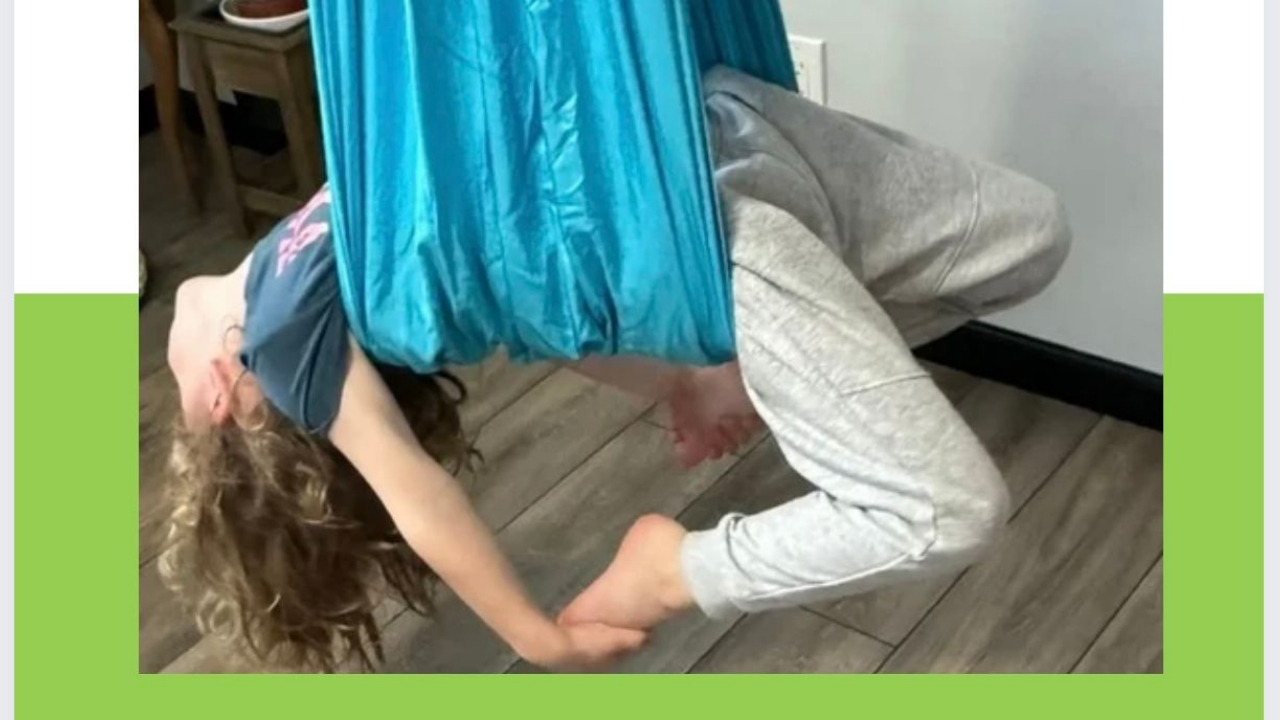
Children are wired for motion. Movement is not a distraction from learning or regulation—it is how their nervous system organizes itself.
Rolling, crawling, climbing, rocking, spinning, pushing, pulling—these experiences:
- Build brain–body communication
- Develop balance and coordination
- Support emotional regulation
- Help the nervous system feel oriented and safe
When we expect stillness too early or too often, we’re asking the body to skip essential steps in development.
Regulation Comes Before Stillness
A regulated nervous system may appear still—but that stillness is earned through movement, not forced through control.
When a child:
- Can’t sit still
- Constantly fidgets
- Rocks, taps, or hums
- Struggles with transitions
Their body isn’t being “difficult.”
It’s seeking regulation.
Movement is how the nervous system releases excess energy, integrates sensory input, and returns to balance.
Stillness Without Safety Is Just Freeze
It’s important to name this gently but clearly:
Not all stillness is calm.
Sometimes what looks like a “quiet body” is actually:
- Shutdown
- Disconnection
- Holding tension
- A nervous system in survival mode
True calm is soft, responsive, and connected—not rigid or forced.
Movement Builds the Pathway to Calm
When children are allowed intentional, supportive movement, something powerful happens:
- Their breath deepens
- Their muscles organize
- Their attention improves
- Their emotions soften
This is why movement is at the heart of Move Into Calm.
The Move Into Calm 21-day course was created to support children—and the adults who care for them—through simple, developmentally appropriate movement, breath, and connection. Each day offers small, doable practices that help the nervous system feel safe enough to settle, without pressure or perfection.
What This Means for Adults
Whether you’re a parent, educator, or caregiver, this shift matters:
- Instead of asking, “Why can’t they sit still?”
We ask, “What does their body need right now?” - Instead of enforcing stillness,
We offer movement that supports regulation. - Instead of correcting behavior,
We support the nervous system.
Because when the body feels supported, stillness happens naturally—and when it does, it’s calm, not forced.
Calm Is a Body State, Not a Performance
Children don’t need to be trained into stillness.
They need:
- Safety
- Connection
- Movement that meets their developmental needs
From there, calm emerges.
Not because they were told to sit still—
but because their nervous system finally felt ready to rest.
Motion calms emotions.
And movement builds the bridge to calm.
✨ If this perspective resonates, you’re not alone. Many parents, caregivers, and educators are rethinking what calm really looks like—and how it’s built. Move Into Calm was created as a gentle support for that journey, offering simple, nervous-system-aware movement and breath practices that fit into real life. There’s no pressure to do it perfectly—just an invitation to meet the body where it is and allow calm to grow, one small moment at a time.
https://www.moveintocalm.com/offers/i7osHxMJ/checkout
Below in the pink box. The offer is FREE !!
Unlock Peace and Connection: With an interactive eBook,
Move into Calm 5 Minute tools to Help your Child and You Reset
Stay connected with news and updates!
Join our mailing list to receive the latest news and updates from our team.
Don't worry, your information will not be shared.
We hate SPAM. We will never sell your information, for any reason.